



Grace is often treated as an unquestioned virtue. In cultural, relational, and moral frameworks, it is framed as an inherent good—something that signals emotional maturity, moral superiority, or spiritual evolution. We are taught that grace is evidence of growth, that forgiveness is healing, and that restraint is wisdom. But rarely do we interrogate the conditions under which grace is given, or the systems that benefit from it.
Graceland (2026) was created to examine that gap.
This work is not an argument against grace. It is an examination of unaccountable grace—grace that exists without responsibility, reciprocity, or repair. It explores what happens when grace becomes a moral expectation placed on one party while absolving another of consequence. It asks a question that is often avoided because of its discomfort: Can grace become harmful when it is divorced from accountability?
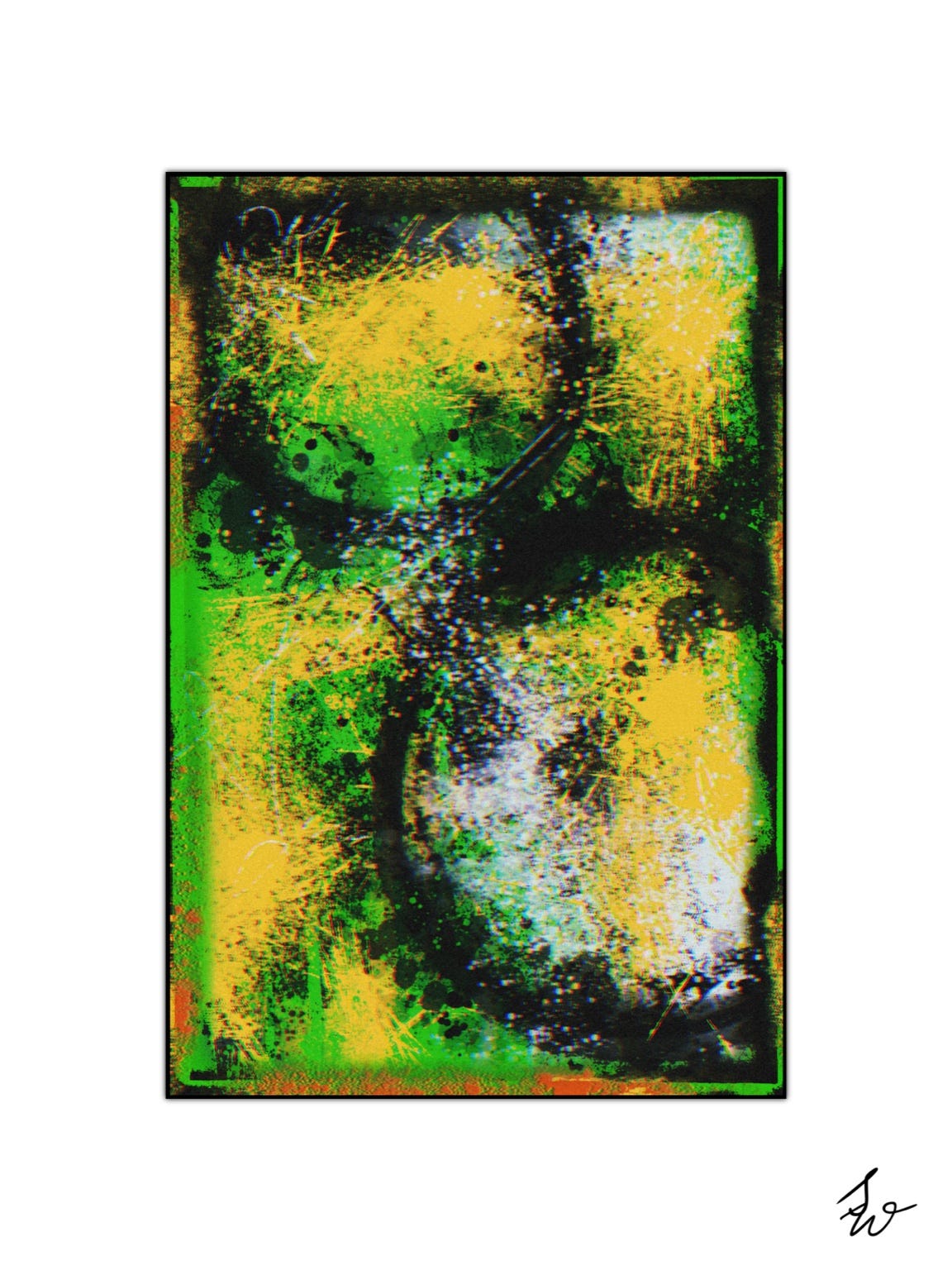
Contemporary Abstraction
Original canvas: 4 × 6 in
Canvas print: 24 × 32 in
Hey everyone! 💛 Your support means the world to me, and I’m so grateful for every like, share, and kind word you’ve shared about my work. If you’d like to support me financially, here are a few ways you can contribute to my creative journey:
Cash App: Any amount helps and is truly appreciated!
Every contribution helps me continue creating, advocating, and inspiring through my art and vision. Thank you for believing in me and being part of my story! 🖤
“What does it mean to be the one always extending grace, yet that same care is not afforded to you? To be soft in a world that aims to harden you? You may consider roughing up your exterior to protect your inner core, but protective measures can also be hindrances when done in hasty extremes. A solution: guard your heart without calcifying. Give yourself the same grace you wish you received from the outset. Recognize your softness and graciousness as gifts and never compromise them, for you will be in opposition to your highest good.” - Shanté
